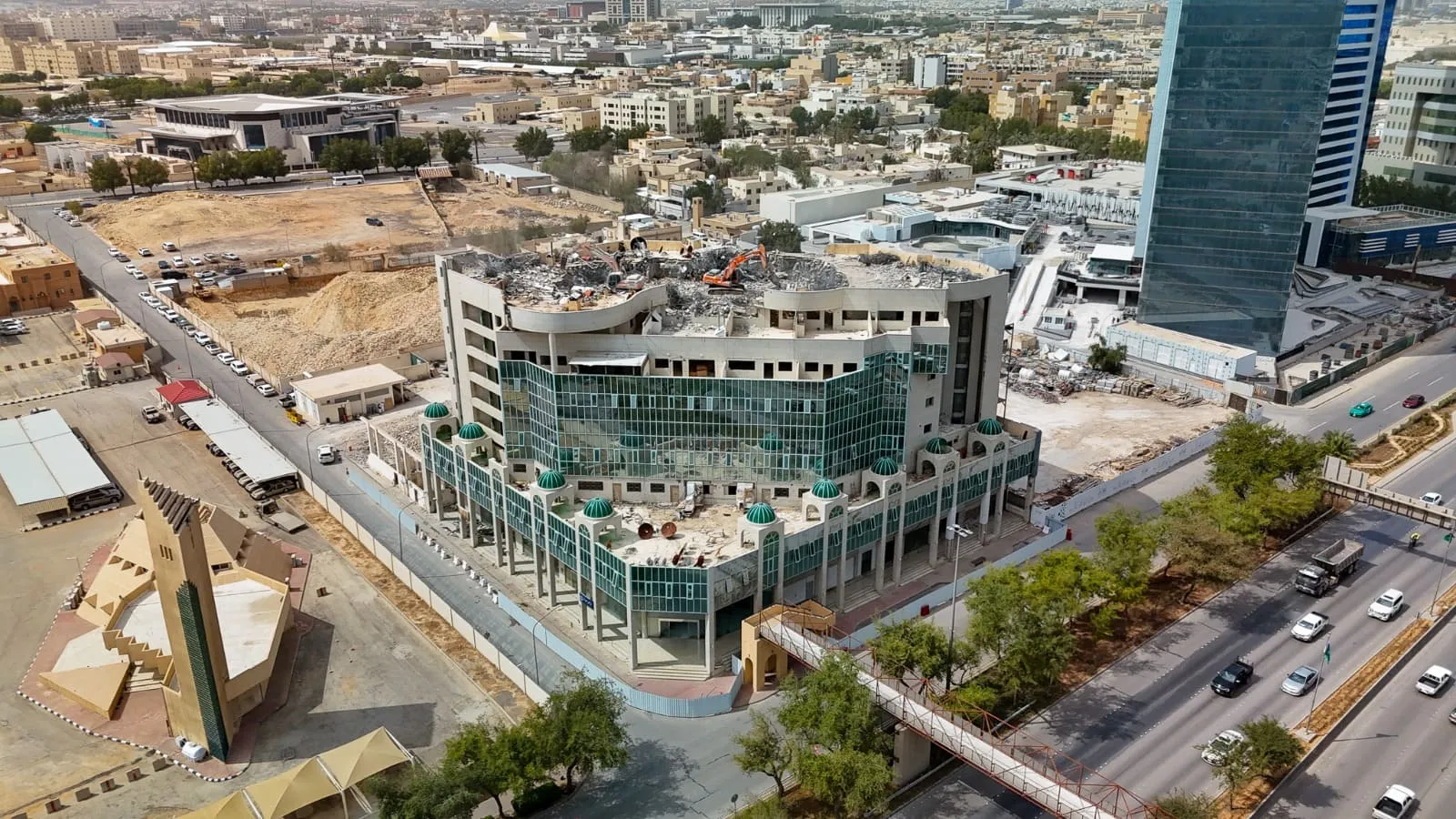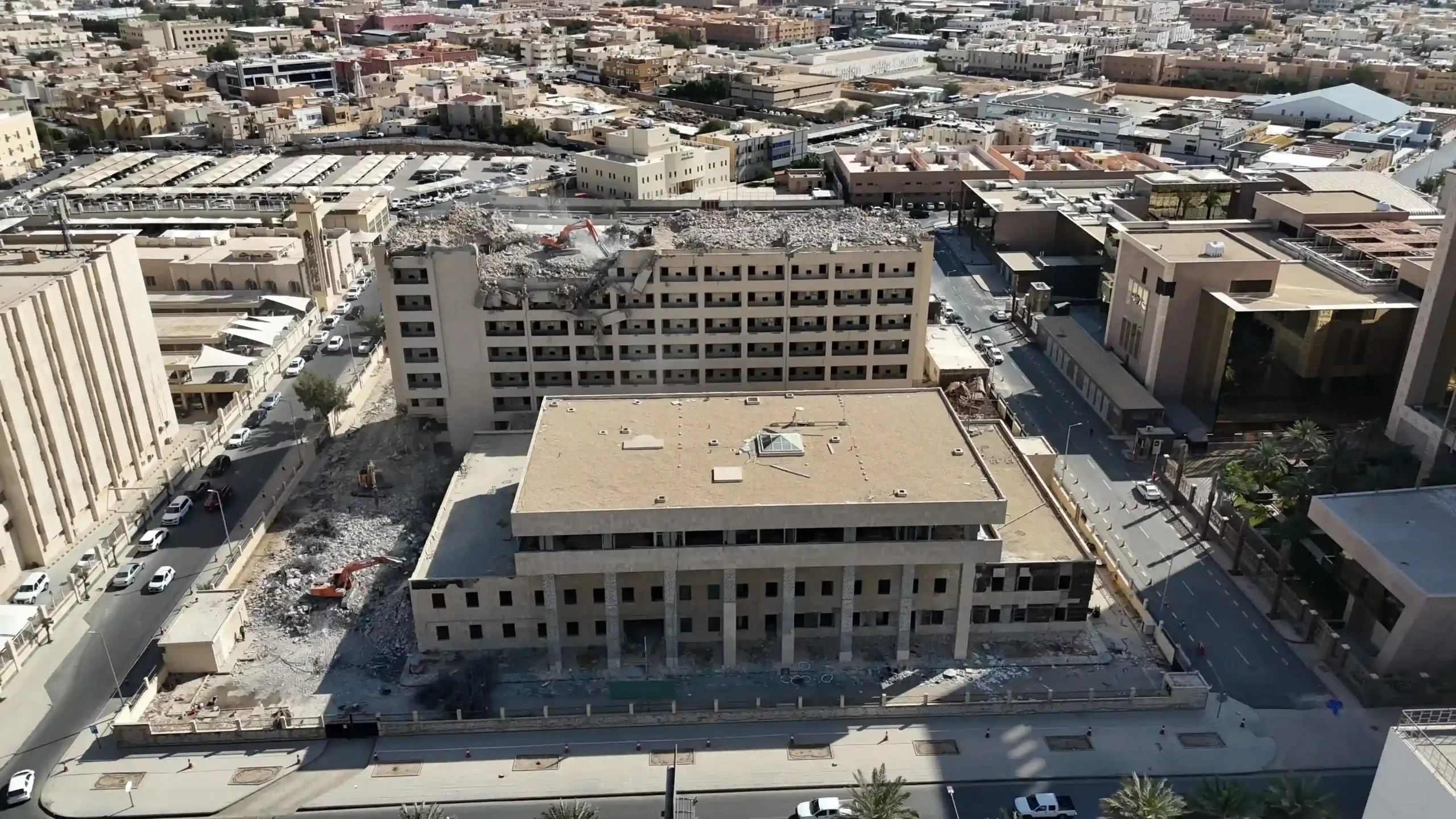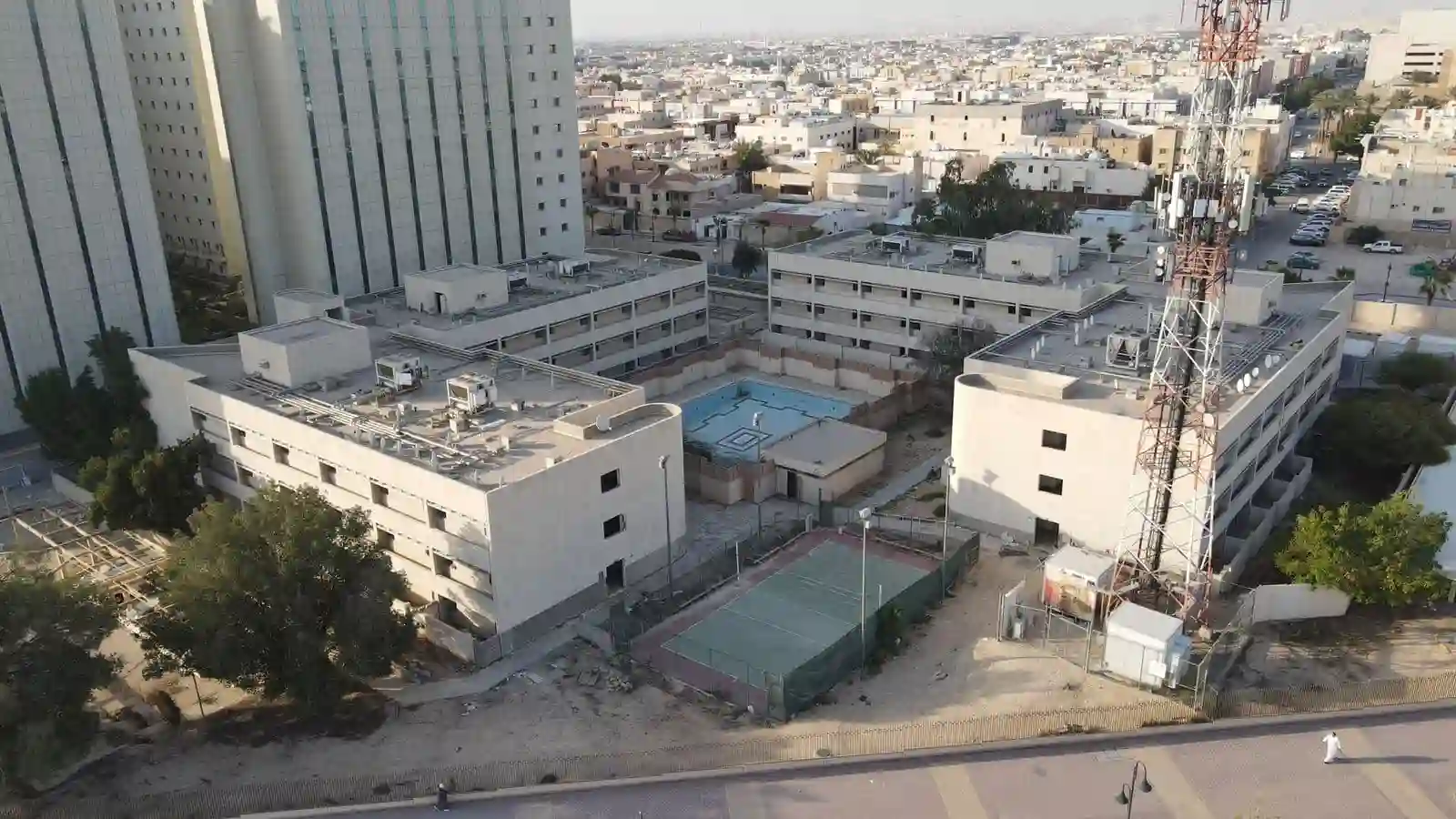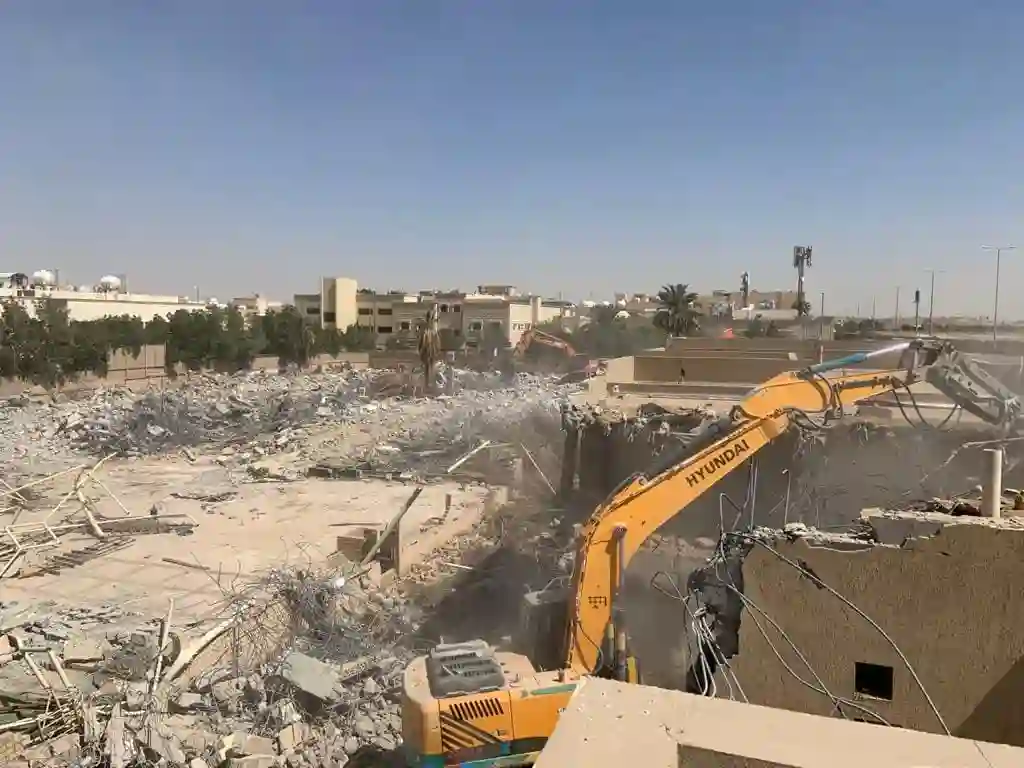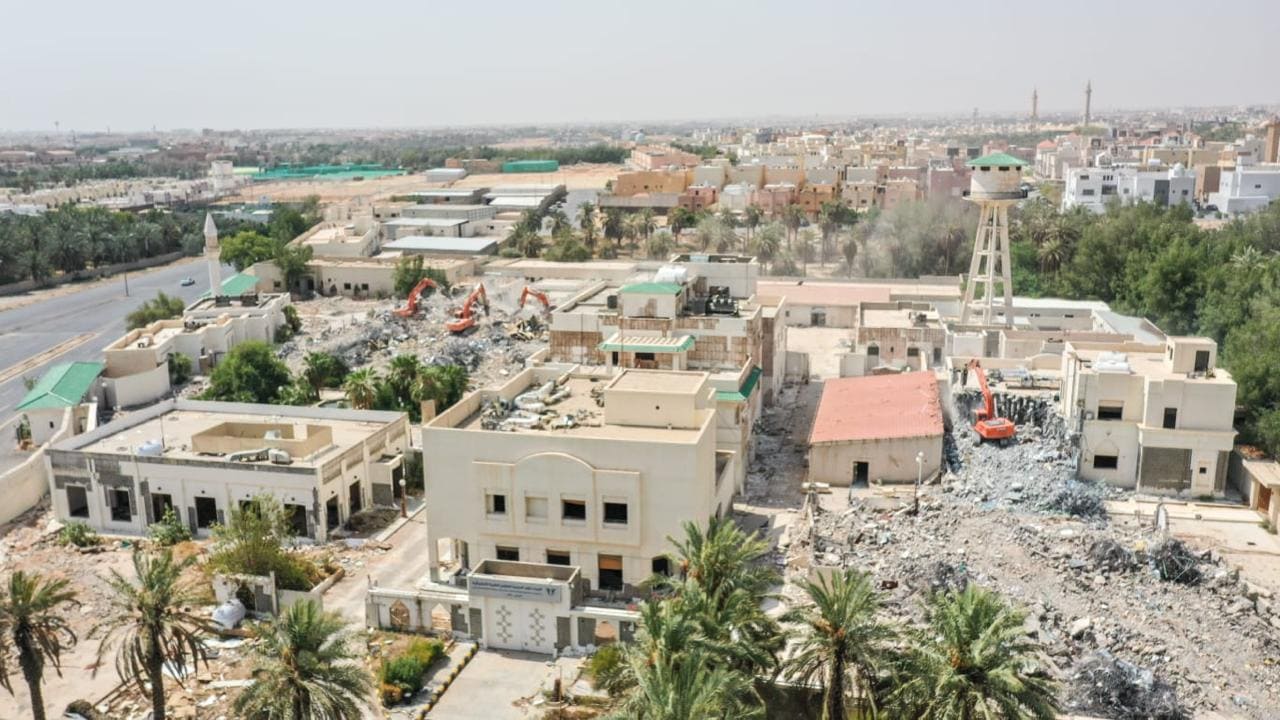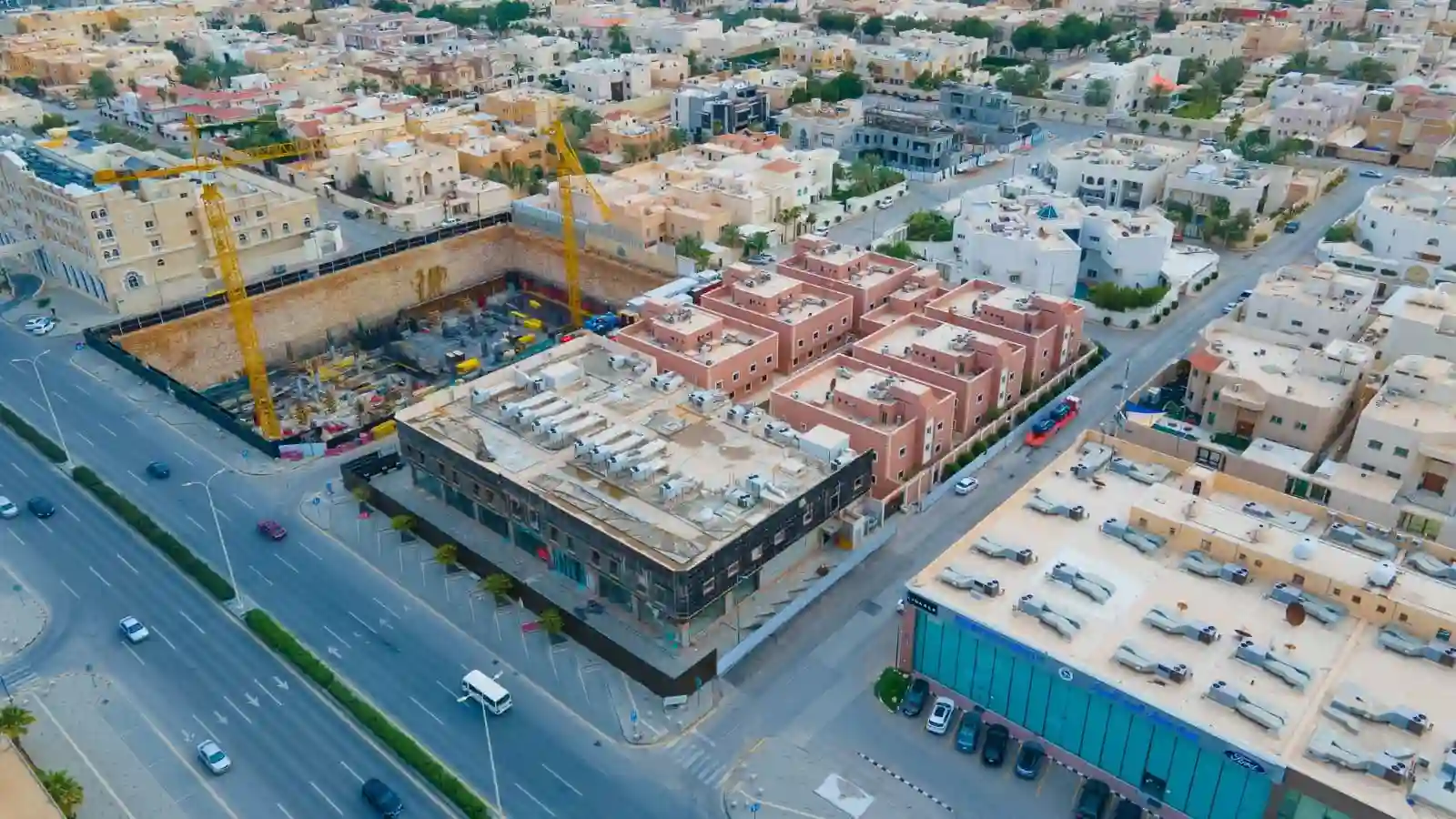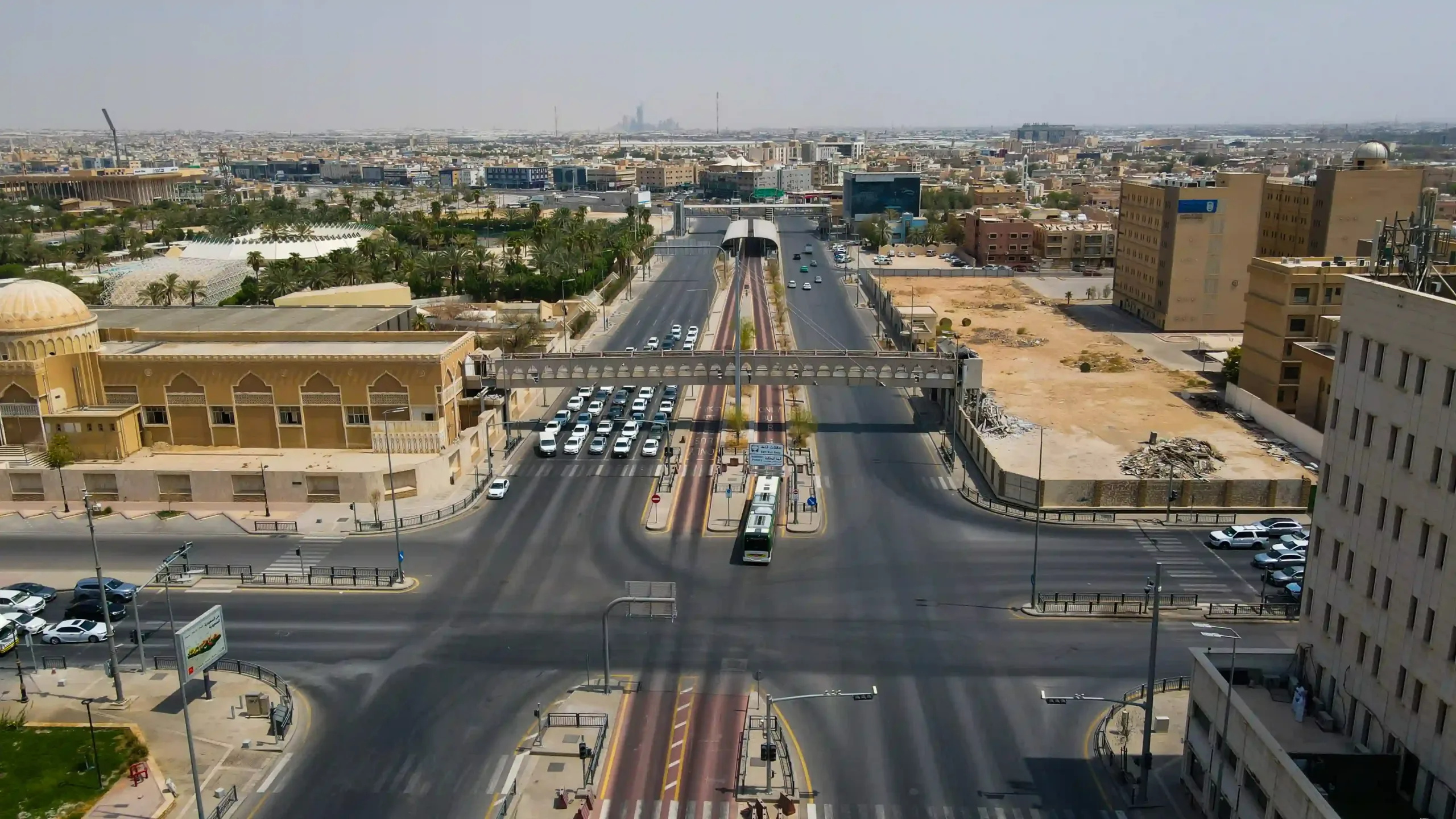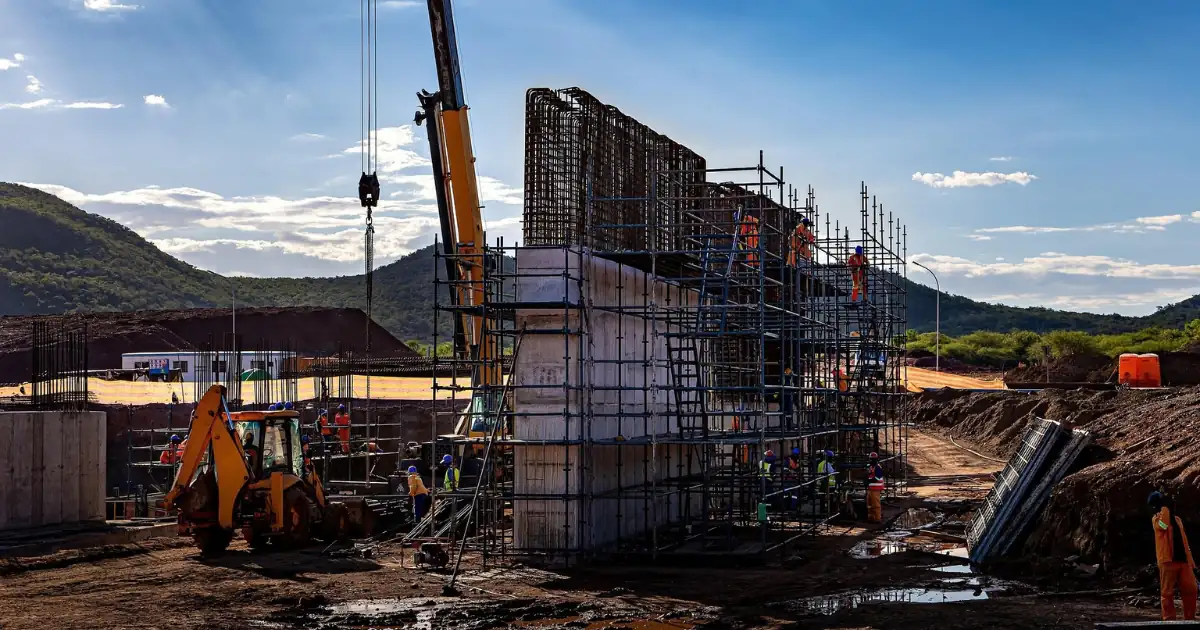
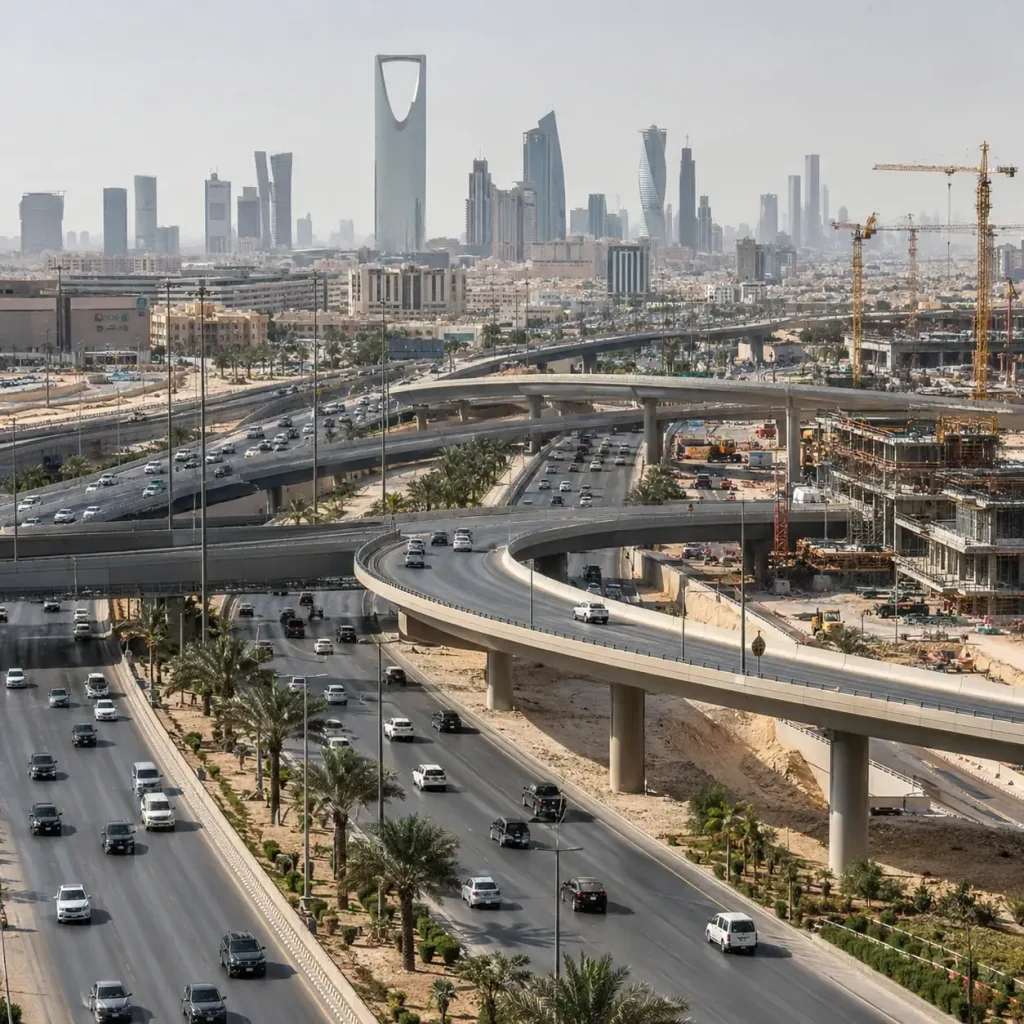
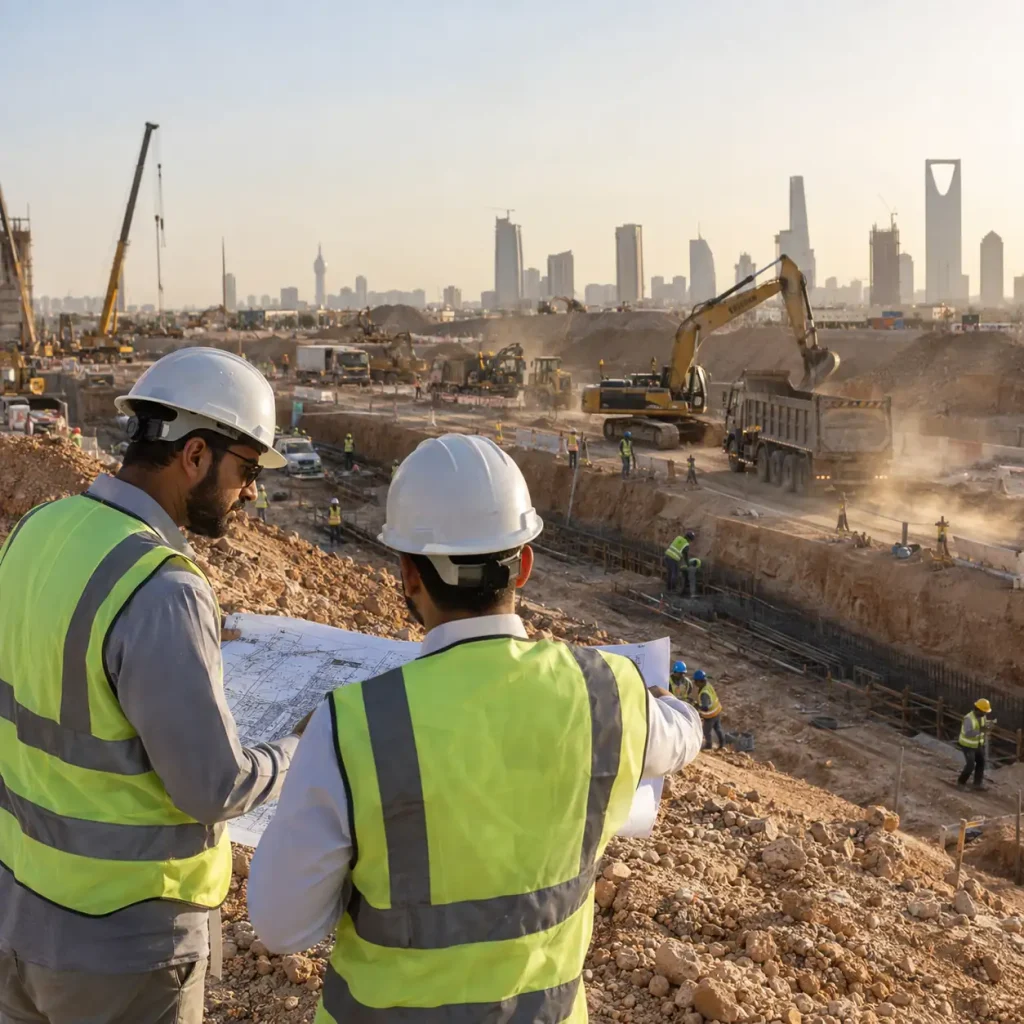
When you move through Riyadh, you may pass newly developed roads, construction zones, excavation works, or utility installations. These activities may appear separate, but they are actually part of an interconnected system that supports the city’s growth and daily operations.
With the continued urban expansion of the capital, infrastructure in Riyadh has become essential for supporting new neighborhoods, residential and commercial developments, transportation, and public services.
In this guide, you will learn about the main components of infrastructure, the types of projects involved, how these projects are executed, the common challenges they face, and how you can choose a suitable company for your project.
Table of Contents
What Is Infrastructure in Riyadh?
Infrastructure refers to the essential systems, facilities, and services that a city depends on for its daily operation.
It includes a wide range of sectors, such as:
- Roads and streets
- Water networks
- Sewerage systems
- Stormwater drainage
- Electricity and energy networks
- Telecommunications
- Public utilities
- Civil works
- Site preparation
These elements are often connected. For example, developing a new road may require coordination with existing water, electricity, telecommunications, and drainage networks before work can begin.
Why Is Infrastructure Important for Riyadh?
The importance of infrastructure goes far beyond construction activity. It directly affects the way you use the city every day.
Well-planned infrastructure helps:
- Connect neighborhoods and different areas.
- Improve access to services.
- Support urban expansion.
- Prepare new areas for development.
- Improve the efficiency of water, energy, and telecommunications networks.
- Enhance the urban environment.
- Support investment and economic activity.
The better these projects are planned and executed, the more efficiently the city can grow and support future development.
Types of Infrastructure Projects in Riyadh
Infrastructure projects vary depending on the required service, location, and project scope.
| Project Type | Main Works | Purpose |
|---|---|---|
| Roads | Construction, asphalt paving, maintenance | Improve movement and connectivity |
| Water | Water lines and distribution networks | Serve residents and facilities |
| Sewerage | Sewer lines and networks | Manage wastewater |
| Drainage | Stormwater and drainage networks | Reduce water accumulation |
| Energy | Electricity networks and utilities | Support buildings and neighborhoods |
| Telecommunications | Communication lines and networks | Support digital connectivity |
| Civil Works | Excavation, backfilling, concrete, site preparation | Support overall project execution |
This variety means that many projects require coordination between several technical disciplines rather than treating each service independently.
Main Infrastructure Services
Excavation and Site Preparation
Many projects begin with preparing the site before networks, roads, or structures can be installed.
This stage may include:
- Site clearing
- Removing obstacles
- Soil excavation
- Rock excavation
- Trench preparation
- Backfilling
- Grading
- Compaction
- Preparing utility routes
This phase is important because it creates the foundation for the work that follows and must match the site conditions and approved plans.
Road and Asphalt Works
Road projects involve several stages and do not begin with asphalt paving alone.
Typical stages may include:
- Site assessment
- Route preparation
- Base layer preparation
- Compaction
- Road layer construction
- Asphalt paving
- Inspection
- Maintenance when required
The quality of the finished road depends on every stage, not only the final asphalt layer.
Water and Sewer Networks
Water and sewer networks require accurate route planning, levels, and connections.
Typical works include:
- Trench preparation
- Pipe installation
- Utility chamber construction
- Network connections
- Backfilling
- Site restoration
The work becomes more complex in developed areas where existing utility networks must be protected during execution.
Civil Works and Utilities
Civil works support several elements within infrastructure projects.
They may include:
- Concrete foundations
- Utility chambers
- Barriers
- Walkways
- Site preparation
- Utility protection
- Supporting concrete works
These activities often connect different services within the same project.
How Is an Infrastructure Project Executed?
An infrastructure project usually passes through several connected stages, with each stage serving a specific purpose.
1. Site Assessment
The site conditions, existing services, ground conditions, and potential obstacles are reviewed.
2. Defining the Scope of Work
The required activities, responsibilities, and technical requirements are clearly identified.
3. Preparing Plans
Plans define routes, levels, locations, and dimensions.
4. Coordination and Permits
Coordination with the relevant authorities takes place, along with obtaining the required approvals before execution.
5. Site Preparation
Work areas are organized and secured, and equipment and access routes are prepared.
6. Execution
The physical work begins according to the approved plans and project scope.
7. Inspection
Key stages are reviewed to confirm that the work meets the required specifications.
8. Site Restoration
After completion, the site is restored through paving, cleaning, or other necessary finishing work.
9. Handover
The project is closed after outstanding observations are addressed and the required work is completed.
The Role of Infrastructure Project Coordination in Riyadh
In a city the size of Riyadh, several organizations may be working in the same area at the same time. This makes project coordination especially important.
Good coordination helps to:
- Reduce conflicts between works
- Organize project schedules
- Improve information exchange
- Reduce repeated excavation in the same location
- Improve execution quality
- Use resources more efficiently
- Minimize disruption to the city
This shows why successful infrastructure projects depend not only on the contractor, but also on effective planning and coordination between all involved parties.
Common Challenges During Execution
Existing Utility Conflicts
A work route may pass close to existing electricity, water, telecommunications, or sewer networks.
For this reason, existing services must be identified before excavation begins.
Ground Conditions
The type of soil can affect the required equipment, excavation methods, backfilling, and compaction process.
Limited Site Space
In developed areas, there may be limited space for equipment, workers, and vehicle movement.
This requires careful site organization.
Traffic
Road and excavation works may affect vehicle and pedestrian movement.
Traffic management must therefore be considered as part of the execution plan.
Safety
Excavations and heavy equipment create additional risks, making safety procedures essential throughout the project.
Project Schedule
A delay in one stage can affect the entire project, which is why continuous monitoring is important.
How to Choose a Company for Your Project
If you are looking for a company to execute infrastructure-related works, it is better to evaluate the company based on more than price alone.
Experience in the Required Work
Check whether the company has experience in areas such as:
- Road works
- Excavation
- Asphalt works
- Civil works
- Site preparation
- Utility networks
Equipment Availability
The available equipment should match the project size, site conditions, and type of work.
Technical Supervision
Having engineers and supervisors on site helps improve coordination and address issues during execution.
Project Management
A capable company should be able to manage resources, schedules, and work stages, not only perform field activities.
Checklist Before Hiring
Before making your decision, review:
- Previous projects
- Team experience
- Available equipment
- Execution plan
- Safety procedures
- Quality control process
- Project duration
- Scope of work
- Clarity of the quotation
Infrastructure vs. Civil Works
Although the two terms are closely related, they do not mean exactly the same thing.
| Element | Infrastructure | Civil Works |
|---|---|---|
| Scope | Essential networks and services | Construction and execution activities |
| Examples | Roads, water, sewerage, telecommunications | Excavation, concrete, foundations |
| Purpose | Support the operation of the city | Build specific project elements |
| Relationship | Includes several disciplines | May form part of a larger project |
Civil works can therefore be part of a broader infrastructure project.
How Do Infrastructure Projects Improve Quality of Life?
When city networks operate efficiently, the benefits are reflected directly in everyday life.
These benefits may include:
- Easier transportation
- More reliable services
- Better access to new neighborhoods
- Support for commercial activity
- More efficient use of utilities
- An improved urban environment
- Better preparation for future development
For this reason, investment in infrastructure is closely connected to the city’s ability to grow and accommodate new residents and projects.
The Future of Infrastructure in Riyadh
As Riyadh continues to expand, infrastructure projects are increasingly moving toward the use of technology and data-driven management.
Some of the main future trends may include:
- Digital project monitoring
- Improved asset management
- Smart city systems
- Development of transportation networks
- Better energy efficiency
- Water reuse
- Preventive maintenance
- Greater coordination between authorities
These developments can help shift project management from reacting to problems after they occur toward better planning and more efficient service management.
Frequently Asked Questions About Infrastructure in Riyadh
What is infrastructure in Riyadh?
It refers to the networks, facilities, and essential services that support the city, including roads, water, sewerage, electricity, telecommunications, and public utilities.
What are the main types of infrastructure projects?
They include roads, water networks, sewerage, drainage, energy, telecommunications, and civil works.
What services do infrastructure companies in Riyadh provide?
Services may include excavation, site preparation, road works, asphalt paving, civil works, and some utility network activities depending on the company’s specialization and project scope.
What is the first step in an infrastructure project?
The process usually begins with a site assessment, defining the scope of work, reviewing existing utilities, and identifying technical requirements before execution.
Is excavation part of infrastructure work?
Yes. Many infrastructure projects require excavation to prepare routes for utility networks, roads, or site development. However, excavation is usually one stage within a larger project.
How do you choose the right contractor?
Compare the company’s experience, previous projects, equipment, technical team, execution plan, safety procedures, and quality control process before making your decision.
What is the difference between civil works and infrastructure?
Infrastructure refers to the essential networks and systems that support the city, while civil works are specific construction activities that may be carried out as part of these larger projects.
Conclusion
Riyadh’s development depends not only on new buildings, but also on an integrated network of roads, utilities, services, and supporting works that allow the city to continue growing efficiently.
The success of infrastructure in Riyadh depends on three main factors: proper planning, effective coordination, and professional execution.
If your project requires excavation, site preparation, road works, asphalt paving, or other infrastructure-related services, you can explore the services and projects of Asas Albna and contact the team to discuss your project scope and site requirements.